
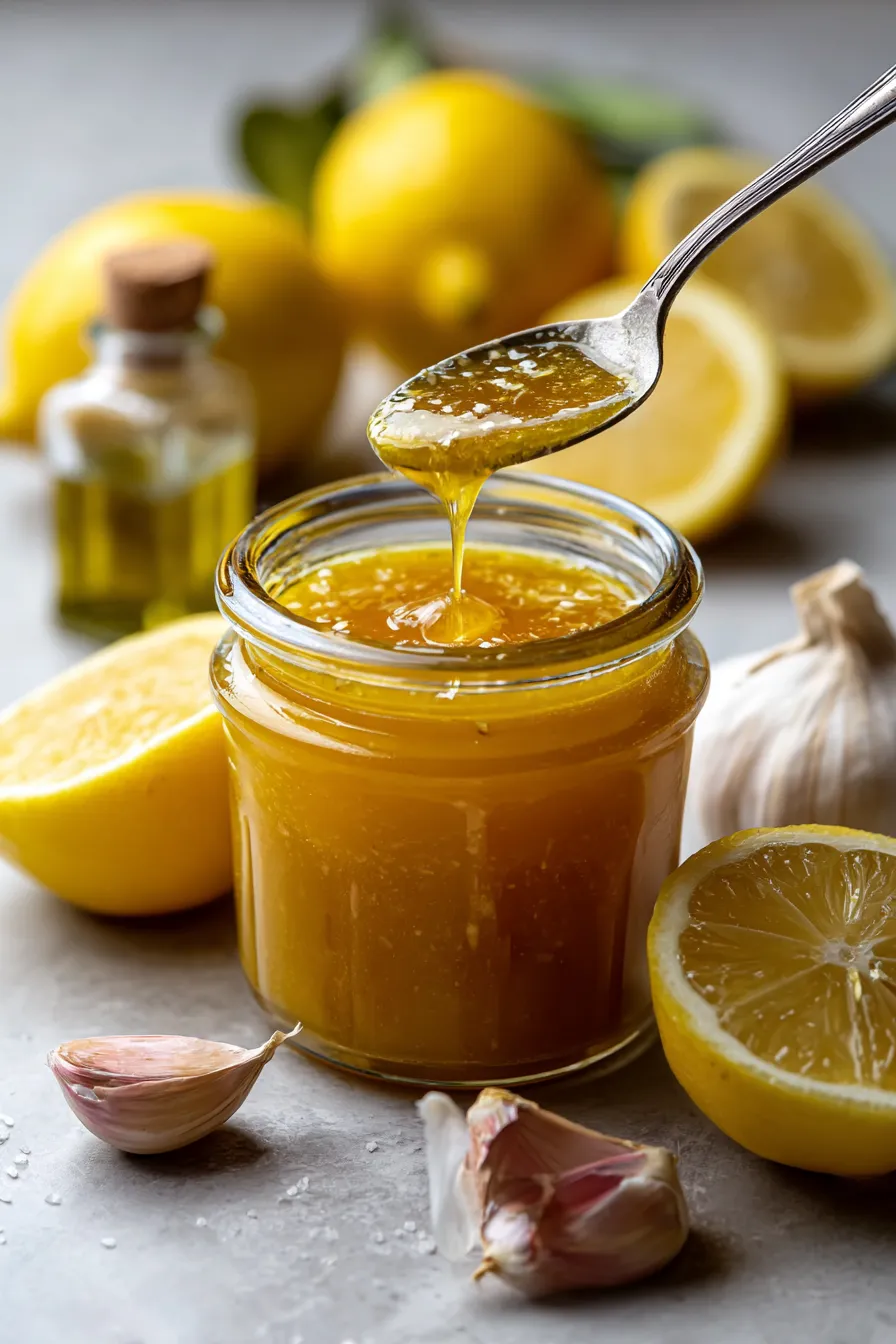
There’s something uniquely uplifting about a zesty lemon vinaigrette dressing. With its bright, fresh flavor, it’s like a little burst of sunshine on your plate. Whether you drizzle it over crisp greens, toss it with roasted veggies, or marinate your protein, this dressing transforms dishes into something extraordinary.
It’s incredibly easy to make, requiring just a handful of ingredients that you probably already have in your kitchen. Imagine whisking together lemon juice, olive oil, garlic, and Dijon mustard to create a simple yet explosive flavor. You can feel good knowing that your meals not only taste great but are also made with wholesome ingredients. Welcome to the world of homemade lemon vinaigrette dressing, where flavor and simplicity meet.
Why should this lemon vinaigrette dressing become a staple in your kitchen? For starters, it’s wonderfully approachable. You don’t need to be a culinary wizard to whip it up.
Many home cooks find joy in creating dressings from scratch, and this one is so simple. The comfort of homemade dressing cannot be overstated; it gives you control over the exact flavors that go into your meals. Each time you prepare your lemon vinaigrette dressing, you can tweak it to suit your taste and needs.
This dressing is truly flavor-packed. The tartness of the lemon is balanced perfectly with the richness of the olive oil, creating a dressing that shines a spotlight on your salads and dishes. Every drizzle bursts with freshness, making those less glamorous greens something to celebrate.
It lifts dishes beyond the ordinary. Perfect for busy days, this lemon vinaigrette dressing comes together in mere minutes, cutting down on prep time without sacrificing taste. Life can be hectic, and having a quick, homemade dressing on hand makes all the difference.
With no fuss involved, you can have your lemon vinaigrette dressing ready almost as quickly as you can say “simple salad.” The techniques required are basic yet effective, making this dressing a go-to for everyone from novice cooks to seasoned chefs alike. Plus, when you take the time to prepare it yourself, the satisfaction of pouring something delicious over your meal is gratifying. This lemon vinaigrette dressing is indeed about bringing joy to the table.
Ingredients You’ll Need
This lemon vinaigrette dressing comes together with just a few simple ingredients, making it both practical and delicious. Let’s take a look at what you need.
| Ingredient | Amount |
|---|---|
| Fresh lemon juice | 1/4 cup |
| Extra-virgin olive oil | 3/4 cup |
| Dijon mustard | 1 teaspoon |
| Garlic | 1 clove, minced |
| Salt | 1/2 teaspoon |
| Black pepper | 1/4 teaspoon |
Substitutions & Variations
One of the best parts about making your own lemon vinaigrette dressing is how adaptable it is. Think globally while sticking to the basics. For a Mediterranean flair, consider adding some chopped fresh herbs like dill or oregano. A touch of honey or maple syrup can give your dressing a sweet twist, perfect for drizzling over roasted vegetables.
If you’re dairy-free or vegan, feel good knowing that this lemon vinaigrette dressing fits your dietary needs perfectly. Looking for a spicier touch? Add a pinch of red pepper flakes or a dash of hot sauce.
For a nutty flavor, drizzle in some toasted sesame oil instead of olive oil for a delightful Asian-inspired dressing. There are endless possibilities to tailor this to your taste buds, making it not just a dressing but a versatile ingredient you rotate into many dishes.
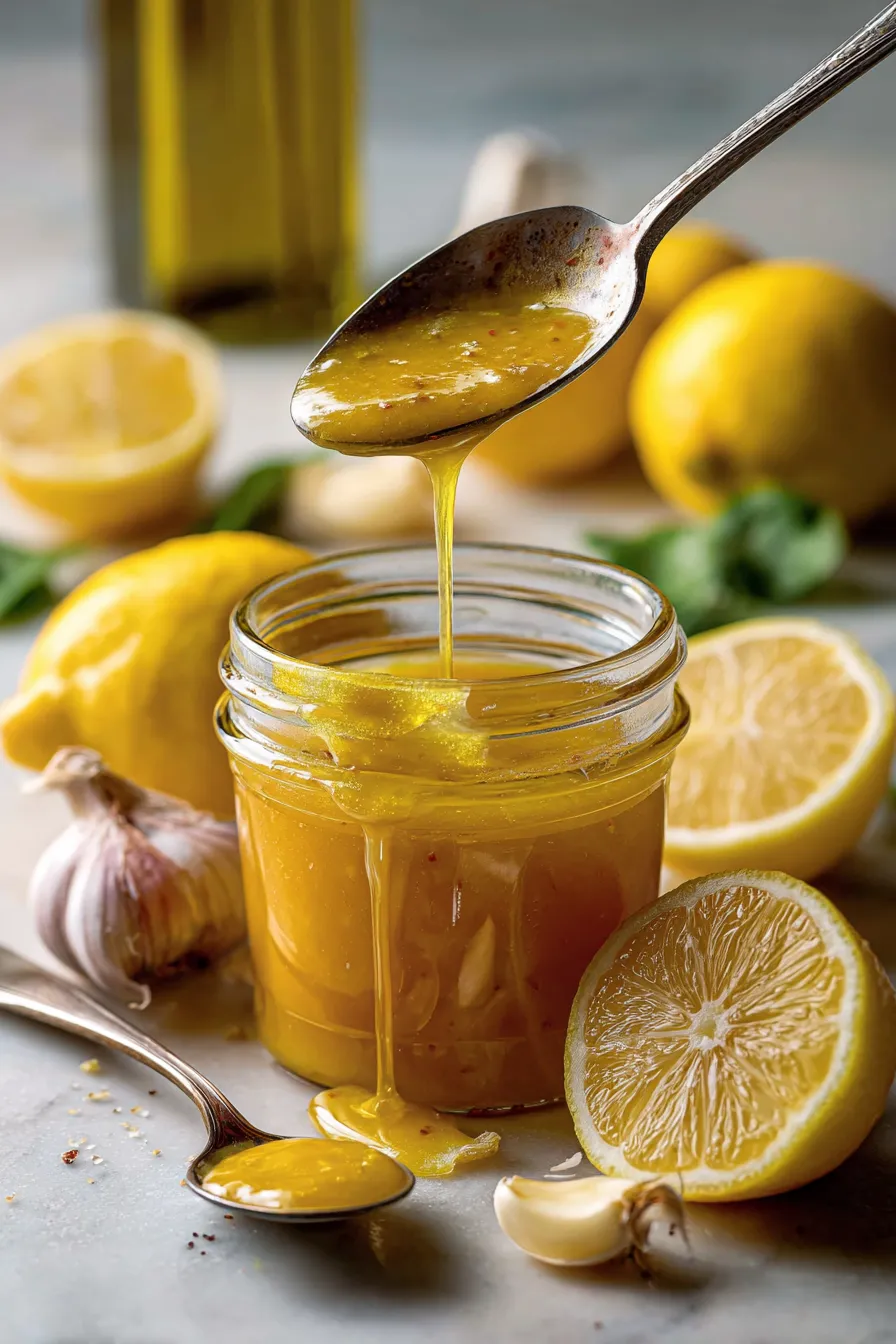
Step-by-Step Instructions
Here’s how to whip up your lemon vinaigrette dressing in no time:
- Start by squeezing your lemons to obtain about 1/4 cup of fresh lemon juice. Use a citrus juicer if you have one; it makes this step a breeze!
- In a mixing bowl, combine the fresh lemon juice with Dijon mustard and minced garlic. This combination lays a fantastic flavor foundation for your dressing.
- Now, it’s time to slowly whisk in the extra-virgin olive oil. Whisking continuously will help emulsify the dressing, creating that beautiful, smooth consistency.
- Once the olive oil is fully incorporated, season your lemon vinaigrette dressing with salt and black pepper. Remember, taste as you go! Adjust the seasoning according to your preference.
- Transfer your dressing to a jar with a tight-fitting lid. This makes it easy to shake up before each use.
- Let it rest for at least 10 minutes. This waiting period allows the flavors to meld beautifully.
To complement your lemon vinaigrette dressing, consider trying a delightful dessert like Lemon Blueberry Sheet Cake. It’s a perfect way to enjoy the vibrant flavors of lemon in a sweet treat.
Pro Tips for Success
- Use fresh lemons. Fresh lemon juice makes a world of difference compared to bottled. The bright flavor you get from freshly squeezed lemons is unmatched.
- To save time, make larger batches. This lemon vinaigrette dressing keeps well in the fridge for up to a week.
- Experiment with oils; avocado oil works beautifully if you’re looking for a different flavor profile.
- Try adding a teaspoon of zesty lemon zest for an extra punch of lemon flavor.
- Store the dressing in a glass jar and label it with the date. It’s a smart way to track freshness.
- Shake well before serving, as the ingredients may separate over time.
Storage & Reheating Tips
Your homemade lemon vinaigrette dressing will last in the fridge for about a week. Store it in an airtight container or a glass jar with a lid. For best results, give it a quick shake before every use to re-emulsify the ingredients.
This dressing is not suitable for freezing, as the texture may change when thawed. Simply prepare a fresh batch when you’re ready to use it again. You’ll find that this lemon vinaigrette dressing is worth the little effort with every vibrant meal!
While your lemon vinaigrette dressing is a fantastic addition to many dishes, you might also love these Lemon Blueberry Pancake Bites for a unique breakfast twist. They share the same bright flavors and are sure to please your palate.
What to Serve With This Recipe
This lemon vinaigrette dressing shines on myriad dishes. Drizzle it over a classic garden salad for a refreshing bite, or toss it with steamed veggies for a vibrant side. It also pairs beautifully with grilled chicken or fish.
For a creative twist, try it over quinoa or couscous salads. The brightness of this dressing will elevate any meal!
FAQs
Can I use bottled lemon juice?
While you can use bottled lemon juice in a pinch, fresh lemon juice is recommended for the best flavor.
How do I make my lemon vinaigrette dressing thinner?
If you’d like a thinner dressing, simply add a tablespoon of cold water or additional lemon juice and mix well until you achieve your desired consistency.
Can I use another type of mustard?
Absolutely! While Dijon mustard adds a nice tang, feel free to substitute with whole grain or yellow mustard based on your preference.
What if I don’t like garlic?
If garlic isn’t your thing, leave it out! Or try substituting with a pinch of garlic powder for a milder flavor.
Is this dressing gluten-free?
Yes! All the ingredients in this lemon vinaigrette dressing are gluten-free, making it a suitable choice for those with gluten sensitivities.
Lemon vinaigrette dressing is a versatile condiment made from a simple blend of lemon juice, oil, and seasonings that enhances salads and various dishes. For more insights about salad dressings, check out this salad dressing guide.
Nutrition Information (per serving)
| Nutrient | Amount |
|---|---|
| Calories | 120 |
| Protein | 0g |
| Carbohydrates | 1g |
| Fat | 14g |
| Sugar | 0g |
| Fiber | 0g |
| Sodium | 60mg |
lemon vinaigrette dressing
Ingredients
- 1/4 cup fresh lemon juice
- 3/4 cup extra-virgin olive oil
- 1 teaspoon Dijon mustard
- 1 clove garlic, minced
- 1/2 teaspoon salt
- 1/4 teaspoon black pepper
Instructions
- Squeeze lemons to obtain about 1/4 cup of fresh lemon juice.
- In a mixing bowl, combine the fresh lemon juice, Dijon mustard, and minced garlic.
- Slowly whisk in the extra-virgin olive oil until fully incorporated.
- Season with salt and black pepper, adjusting to taste.
- Transfer to a jar with a tight-fitting lid and let it rest for at least 10 minutes before use.