
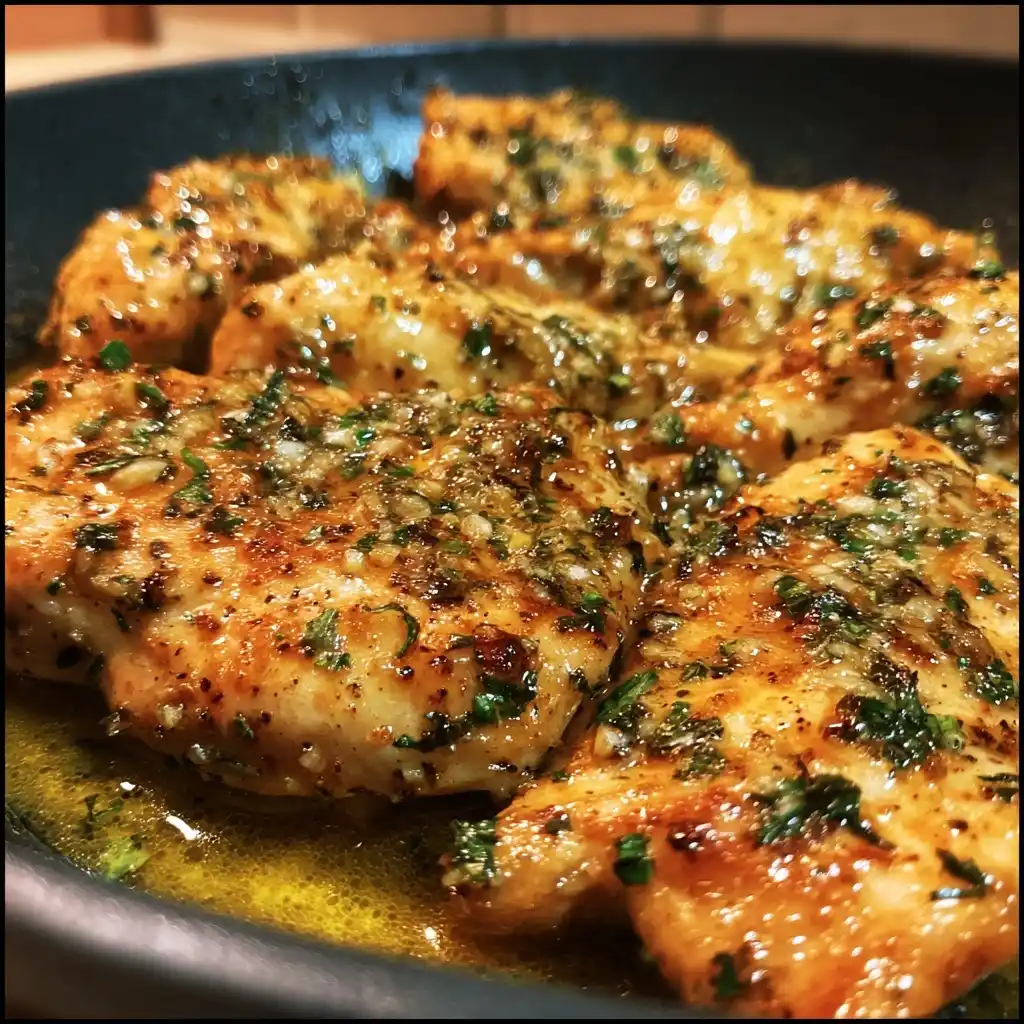
When it comes to quick, flavorful, and comforting meals, nothing beats garlic butter chicken. This recipe takes simple chicken breasts and turns them into a juicy, golden, and buttery dinner that feels like restaurant quality yet is incredibly easy to make at home. With the rich taste of garlic-infused butter, a crispy sear, and melt-in-your-mouth tenderness, this dish will quickly become a weeknight favorite. In this guide, we’ll explore how to make garlic butter chicken, tips for cooking it perfectly, serving suggestions, storage advice, and variations to suit every taste.
PART 1: Introduction to Garlic Butter Chicken
Why Garlic Butter Chicken Is a Go-To Dinner Recipe
Garlic butter chicken is beloved for its simplicity and rich flavor. It requires only a handful of ingredients yet delivers a mouthwatering taste that satisfies even picky eaters. The combination of garlic, butter, and lightly seasoned chicken breast creates a savory, comforting dish that’s versatile enough for a family dinner or even a special occasion. Plus, it cooks quickly in a single pan, making it perfect for busy evenings.
The Appeal of Tender Chicken Breast in Homemade Meals
Chicken breast is one of the most popular cuts of meat because it’s lean, high in protein, and cooks fast. However, it can easily turn dry if not prepared properly. That’s where garlic butter comes to the rescue. The fat from the butter locks in moisture while the garlic adds bold flavor, ensuring each bite is juicy and tender. For home cooks, this recipe is a win because it balances health, flavor, and ease in one delicious package.
PART 2: Ingredients for Garlic Butter Chicken
Essential Ingredients for Rich Garlic Butter Flavor
To make garlic butter chicken, you only need a few kitchen staples, but each one plays a big role in creating that perfect flavor. Here are the must-have ingredients:
- Chicken breasts – Boneless, skinless chicken breasts work best for this recipe. They’re lean and absorb the flavors beautifully.
- Butter – Unsalted butter is ideal so you can control the seasoning. The butter adds richness and helps create a silky garlic sauce.
- Garlic – Freshly minced garlic gives the strongest flavor. If you want a milder taste, roast the garlic first.
- Olive oil – Helps sear the chicken to golden perfection without burning the butter.
- Salt and pepper – Simple seasonings that enhance the natural flavors.
- Optional spices – Paprika, onion powder, or chili flakes can be added for extra depth.
Best Chicken Cuts for Tenderness and Juiciness
While chicken breasts are the star of this recipe, you can also experiment with other cuts if you prefer:
- Chicken thighs – More forgiving than chicken breasts, thighs remain juicy even if slightly overcooked. They also absorb garlic butter very well.
- Chicken tenders – These cook even faster and are perfect for kid-friendly meals.
- Bone-in chicken pieces – If you want more flavor, bone-in chicken can be used, though it requires longer cooking time.
For most home dinners, chicken breasts are the go-to choice because they’re quick, lean, and versatile. But if you’re after maximum juiciness, thighs can be an excellent substitute.
PART 3: Preparing the Chicken Breast
How to Properly Season Chicken Breast for Maximum Flavor
Seasoning is the secret to transforming plain chicken breast into a flavorful dish. Start by patting the chicken dry with paper towels to remove excess moisture—this helps achieve a golden crust when searing. Sprinkle both sides generously with salt and freshly ground black pepper. For an extra kick, you can add paprika, garlic powder, or onion powder. The seasoning not only enhances taste but also creates a savory base that pairs beautifully with the garlic butter sauce.
Tips for Tenderizing and Marinating Chicken
Chicken breast is lean and can sometimes turn tough if not prepared correctly. To keep it tender and juicy, try these methods:
- Butterfly the chicken: Slice each breast in half horizontally so it cooks evenly.
- Pound to an even thickness: Use a meat mallet to gently pound the chicken. This prevents uneven cooking and keeps the meat tender.
- Short marinade: A simple marinade with olive oil, lemon juice, and herbs can boost flavor and moisture. Even 20–30 minutes of marinating makes a difference.
- Room temperature rest: Let the chicken sit at room temperature for 10–15 minutes before cooking. This prevents the outside from overcooking while the inside catches up.
With proper seasoning and a little prep work, your chicken breast will stay moist, flavorful, and ready to soak up the buttery garlic sauce.
PART 4: Cooking Garlic Butter Chicken Step by Step
Pan-Searing Techniques for Juicy Chicken Breast
Cooking chicken breast on the stovetop is quick and delivers the best flavor when done right. Here’s how to pan-sear your chicken to perfection:
- Heat the pan properly – Use a heavy-bottom skillet, such as cast iron or stainless steel. Heat olive oil over medium-high heat until it shimmers.
- Add the chicken – Place the seasoned chicken breasts in the hot pan. Don’t overcrowd; cook in batches if necessary.
- Let it sear – Avoid moving the chicken too soon. Let each side sear for 4–5 minutes until golden brown. This creates a flavorful crust.
- Check doneness – Use a meat thermometer. The internal temperature should reach 165°F for perfectly cooked chicken.
This method locks in juices, giving you a tender and flavorful chicken breast every time.
Infusing Garlic Butter Sauce into the Chicken
The garlic butter sauce is what makes this recipe irresistible. Here’s the process:
- Lower the heat – Once the chicken is nearly cooked, reduce the heat to medium-low.
- Add butter and garlic – Stir in butter and freshly minced garlic. The butter should melt slowly, releasing the garlic aroma without burning it.
- Baste the chicken – Tilt the pan slightly and spoon the melted garlic butter over the chicken repeatedly. This ensures every bite is coated with buttery flavor.
- Add fresh herbs (optional) – Toss in parsley, rosemary, or thyme for an herby finish.
This technique infuses the chicken with rich, garlicky flavor and creates a silky sauce that’s perfect for drizzling over rice, pasta, or vegetables.
PART 5: Variations of Garlic Butter Chicken Recipes
Adding Herbs Like Thyme, Rosemary, or Parsley
While the classic garlic butter chicken is already delicious, fresh herbs can elevate the flavor even more. Adding thyme brings a subtle earthiness, rosemary adds a pine-like aroma, and parsley gives a fresh, bright finish. You can either cook the herbs directly in the butter sauce or sprinkle them on top before serving. Mixing different herbs creates layers of flavor that make the dish taste like it came straight out of a fine restaurant.
Garlic Butter Chicken with Vegetables or Pasta
One of the best things about garlic butter chicken is its versatility. You can easily turn it into a complete meal by pairing it with vegetables or pasta.
- With vegetables: Add broccoli, green beans, zucchini, or asparagus to the skillet while cooking the chicken. The veggies absorb the garlic butter and turn tender-crisp, making a balanced meal.
- With pasta: Toss the garlic butter sauce with cooked pasta and top with sliced chicken breast. This creates a comforting, creamy pasta dish that’s hearty and satisfying.
- With rice or quinoa: Pour the buttery sauce over rice or quinoa to soak up every drop of flavor.
These variations allow you to adapt the recipe to your family’s taste, making it a versatile go-to dinner option.
PART 6: Serving Suggestions for Homemade Dinner
Side Dishes That Pair Well with Garlic Butter Chicken
Garlic butter chicken is rich and flavorful, so pairing it with the right sides helps balance the meal. Here are some tasty options:
- Mashed potatoes – Creamy potatoes absorb the garlic butter sauce beautifully.
- Steamed vegetables – Broccoli, green beans, or carrots provide freshness and color.
- Rice pilaf – Lightly seasoned rice pairs well with the buttery chicken.
- Salad – A crisp garden salad with vinaigrette cuts through the richness of the dish.
If you prefer something hearty, roasted potatoes or creamy pasta also work perfectly alongside the chicken.
Creative Plating Ideas for a Comforting Dinner
Presentation makes even a simple homemade meal feel special. Here are some ways to plate garlic butter chicken attractively:
- Sliced chicken breast – Slice the chicken into strips and fan them out on a plate with sauce drizzled on top.
- Layered plating – Place chicken over mashed potatoes or rice, then spoon garlic butter sauce over everything.
- Family-style serving – Serve chicken in the skillet with extra sauce so everyone can help themselves.
Whether you’re serving family or entertaining guests, these plating tricks make the dish look as good as it tastes.
PART 7: Storage and Reheating Tips
How to Store Garlic Butter Chicken for Freshness
Leftovers can be just as delicious if stored properly. Here’s how to keep your garlic butter chicken fresh:
- Refrigeration – Place cooled chicken in an airtight container. Store in the refrigerator for up to 3–4 days.
- Freezing – For longer storage, wrap chicken breasts individually in plastic wrap, then place them in a freezer bag. They’ll last for up to 2 months.
Always store the chicken separately from side dishes like rice or pasta to maintain texture and freshness.
Best Methods to Reheat Without Drying Out
Chicken breast can dry out quickly when reheated, so using the right method is key:
- Stovetop – Place the chicken in a skillet over low heat with a splash of water or extra butter. Cover with a lid to trap steam until warmed through.
- Oven – Preheat to 325°F. Place chicken in an oven-safe dish, cover with foil, and heat for 15–20 minutes.
- Microwave – While quick, the microwave can dry chicken. To avoid this, cover the chicken with a damp paper towel and reheat in 30-second intervals.
Reheating with moisture ensures the chicken stays juicy while keeping that delicious garlic butter flavor intact.
PART 8: Common Mistakes to Avoid When Cooking Chicken Breast
Overcooking and Losing Tenderness
One of the biggest mistakes with chicken breast is overcooking it. Since it’s a lean cut, even a few extra minutes on the heat can make it dry and tough. To avoid this:
- Use a meat thermometer to check for doneness. The internal temperature should reach 165°F.
- Remove the chicken from the pan once it’s cooked through, then let it rest for 5 minutes. Resting helps the juices redistribute, keeping the chicken moist.
- Avoid cooking on high heat for too long. A medium-high sear followed by lower heat ensures a golden crust without drying the inside.
Using Too Much or Too Little Garlic Butter
Garlic butter is the heart of this recipe, but balance is key:
- Too much butter can make the dish greasy and heavy, overpowering the chicken.
- Too little butter won’t provide enough richness or sauce for pairing with sides.
- For best results, stick to about 2–3 tablespoons of butter per chicken breast, adjusting slightly based on personal taste.
Also, be careful not to burn the garlic. Burnt garlic turns bitter and can ruin the flavor. Always sauté garlic on medium-low heat and stir it into the butter just until fragrant.
PART 9: FAQs about Garlic Butter Chicken
Can I Use Chicken Thighs Instead of Chicken Breast?
Yes, chicken thighs are a great alternative. They’re naturally juicier and more forgiving if slightly overcooked. Just keep in mind that thighs may need a couple of extra minutes to cook through compared to chicken breasts.
How Long Does Garlic Butter Chicken Last in the Fridge?
When stored in an airtight container, garlic butter chicken will stay fresh in the refrigerator for up to 3–4 days. If you want to keep it longer, freeze it for up to 2 months.
What’s the Secret to Keeping Chicken Breast Juicy?
The key is not overcooking. Use a meat thermometer to remove the chicken at 165°F. Letting the chicken rest for a few minutes before slicing also helps lock in the juices. Cooking in garlic butter further prevents dryness while adding flavor.
Can I Bake Garlic Butter Chicken Instead of Pan-Frying?
Absolutely. Preheat your oven to 400°F, place the seasoned chicken breasts in a baking dish, and top with garlic butter. Bake for 20–25 minutes, depending on thickness, until the chicken reaches 165°F. Baking gives a slightly different texture but is just as delicious.
Conclusion
Garlic butter chicken is the kind of recipe that proves simple ingredients can create outstanding flavor. With juicy chicken breasts, rich garlic butter sauce, and endless serving options, this dish is both versatile and satisfying. Whether you pair it with vegetables, pasta, or rice, it delivers a comforting homemade dinner that the whole family will enjoy.
By following the right preparation steps, using fresh garlic and butter, and avoiding common mistakes, you’ll have a foolproof chicken dinner ready in under 30 minutes. It’s easy enough for busy weeknights yet elegant enough for special occasions.
If you’re looking for a recipe that’s quick, flavorful, and sure to impress, garlic butter chicken deserves a permanent spot in your weekly dinner rotation.
Easy Garlic Butter Chicken – A Tender Chicken Breast Recipe for Homemade Dinner
Equipment
- Large Skillet
- Meat Thermometer
- Sharp Knife
- Cutting Board
Ingredients
- 4 boneless, skinless chicken breasts
- 2 tbsp olive oil
- 4 tbsp unsalted butter divided
- 5 cloves garlic minced
- 1 tsp salt or to taste
- 0.5 tsp black pepper
- 1 tsp paprika optional
- 1 tbsp fresh parsley chopped, optional garnish
Instructions
- Prep the chicken – Pat chicken breasts dry with paper towels. Season both sides with salt, pepper, and paprika if using.
- Heat the skillet – Add olive oil to a large skillet over medium-high heat. Once hot, place chicken breasts in the pan.
- Sear the chicken – Cook for 4–5 minutes per side until golden brown and nearly cooked through.
- Make the garlic butter sauce – Reduce heat to medium-low. Add butter and minced garlic to the skillet. Stir gently until the butter melts and garlic becomes fragrant (about 1 minute).
- Baste the chicken – Spoon the garlic butter over the chicken repeatedly until the chicken reaches an internal temperature of 165°F.
- Rest and serve – Remove chicken from skillet and let rest for 5 minutes. Garnish with chopped parsley and serve with sides of your choice.